
Protein Basics
Protein Shake Before or After a Workout?
A protein shake can work before or after training. The useful choice is the one that supports your overall food routine, your training time and a plan you can actually repeat.
The Short Answer: Choose the Time You Can Keep
A protein shake before or after a workout can both make sense. The biggest win is not finding a magic minute on the clock. It is having enough protein and enough food across the day to support your training, then using a shake when it makes that plan easier to follow.
That is good news for real life. If you train before work and do not enjoy a full meal first thing, a light shake may be easier before the gym. If you finish training late and dinner is still a while away, a post-workout shake can bridge the gap. If you already ate a protein-rich meal near your session, you may not need another drink at all. The right answer changes with the day, which is why rigid timing rules tend to create more stress than progress.
A recent systematic review comparing protein before and after exercise found no important difference in lean-mass changes from the timing alone. That does not make nutrition unimportant. It means timing works best as a practical tool, not as a pass-or-fail test of your workout.
Why the 30-Minute Rule Is Too Narrow
The idea that you must drink a shake within 30 minutes after your last rep has been repeated for years. It makes a good social-media rule because it is simple, but it is not a useful way to judge every routine. Training and food happen inside a much bigger day. Your last meal, your next meal, the type of session, your appetite and how often you train all matter.
The International Society of Sports Nutrition position stand on protein and exercise emphasizes total daily intake and evenly spaced servings as practical priorities. A shake after training is still a convenient option, especially when it helps you eat something before a long commute or a busy afternoon. It just is not a race against a stopwatch.
Put simply: do not skip food because you missed a narrow window. Build a routine that works on the days you train and the days you do not. The Journal’s recovery guide is a useful reminder that food, fluids, sleep and repeatable training all sit in the same picture.
When a Shake Before Training Can Make Sense
A pre-workout shake can be a sensible choice when you have not eaten for a few hours, train early, or want something lighter than a full meal. The goal is not to force protein into your system right before a hard session. The goal is to arrive feeling prepared rather than distracted by hunger or a routine that does not fit your morning.
Comfort is the filter. Some people can drink a small shake and train happily. Others feel better with a meal farther from training or with a snack that includes carbohydrates. If you have time before a demanding lift, pairing a protein source with food such as fruit, oats or toast can make more sense than treating protein powder as a complete pre-workout plan. The Journal’s pre-workout meals guide offers practical options around different training times.
Do not make a pre-workout shake enormous just because it sounds serious. A very large, high-fat or high-fiber drink right before training may not sit well. Start with what you can digest comfortably, give yourself enough time, and pay attention to how the session feels. Training quality matters more than copying someone else’s blender recipe.
When a Shake After Training Is the Easy Choice
Post-workout is popular for a reason: it is convenient. You have finished the session, the decision is already attached to a habit, and a shake can be useful when a proper meal is not ready yet. That can be particularly practical after resistance training, a long commute, or a lunch-break workout that leaves little time to sit down and eat.
Convenient does not mean compulsory. If you are heading home to a protein-containing meal, that meal can do the job. If a shake keeps you from accidentally going hours without eating after a session, it may be a smart backup. The question is not whether powder is better than food. It is whether the option helps you follow a balanced routine on a normal Tuesday.
Do not use a post-workout shake as permission to ignore the rest of the day. Vegetables, carbohydrates, dietary fats, fluids and sufficient energy still matter. A shake is one food choice inside a bigger pattern, not a complete recovery strategy in a bottle.
Start With Daily Protein, Not Perfect Timing
Most timing questions become easier when you look at the whole day first. The protein amount that is right for you depends on your body size, training, food preferences, energy needs and health circumstances. There is no responsible one-number prescription for every reader. The general recommended dietary allowance is designed to prevent deficiency, while people who train regularly may have different needs.
A shake can help fill a genuine gap, but it does not need to replace ordinary food. Eggs, dairy, fish, meat, soy foods, beans, lentils and other foods can all contribute. If your meals already make it easy to meet your needs, protein powder is optional. If busy mornings, travel or a packed schedule make regular meals difficult, a shake can be a practical support.
Look at the label before deciding what it adds. Check the serving size, protein per serving, other ingredients and any allergens. If dairy does not agree with you, do not assume every whey product will fit. If you have a health condition, take medication, are pregnant or breastfeeding, or want individualized targets, a registered dietitian or qualified clinician can help you make the decision specific to you.
Use Protein Powder as Food Support, Not a Meal Replacement by Default
Protein powder is usually easiest to use when it has a clear job. It can make a quick breakfast more substantial, add protein to a snack, travel well, or help after training when a meal is delayed. That is different from using it to repeatedly replace meals that would otherwise give you a wider mix of nutrients and enough energy for the day.
One useful test is to ask what the shake solves. If the answer is, “I am leaving for the gym in 20 minutes and a full meal does not work for me,” that is a clear job. If the answer is, “I have no plan for lunch, dinner or the rest of my food today,” the better solution may be a more complete meal plan instead of another scoop.
That distinction also keeps fitness goals realistic. A shake does not create muscle by itself, and it does not erase the need for training, recovery or enough food. Combined with a well-designed resistance-training program, adequate daily nutrition and time, protein can be part of the routine that supports progress.
Build a Routine for Your Actual Schedule
Timing works best when it follows the shape of your day. Early trainer? A light shake before, breakfast afterward, or both at separate times may be more comfortable than a huge meal at dawn. Lunch-break trainer? A shake may be useful if it keeps the afternoon from becoming an accidental food gap. Evening trainer? Eat in a way that lets you train comfortably, then choose a meal or shake afterward based on hunger and what the rest of dinner looks like.
- Before a workout: choose a shake when it is light, convenient and comfortable for you, especially if a full meal is not practical.
- After a workout: use a shake when you need a quick, realistic bridge to your next meal, not because you fear missing a short window.
- On rest days: keep the same food-first approach. A shake can help when it is useful, but it does not need a workout to be allowed.
- When meals are already working: let whole foods do the heavy lifting and treat powder as optional convenience.
The same practical thinking applies to other supplements. For example, the Journal’s creatine timing guide explains why a daily habit matters more than trying to turn every supplement into a pre-workout ritual.
Where Phitjunkie Protein Fits
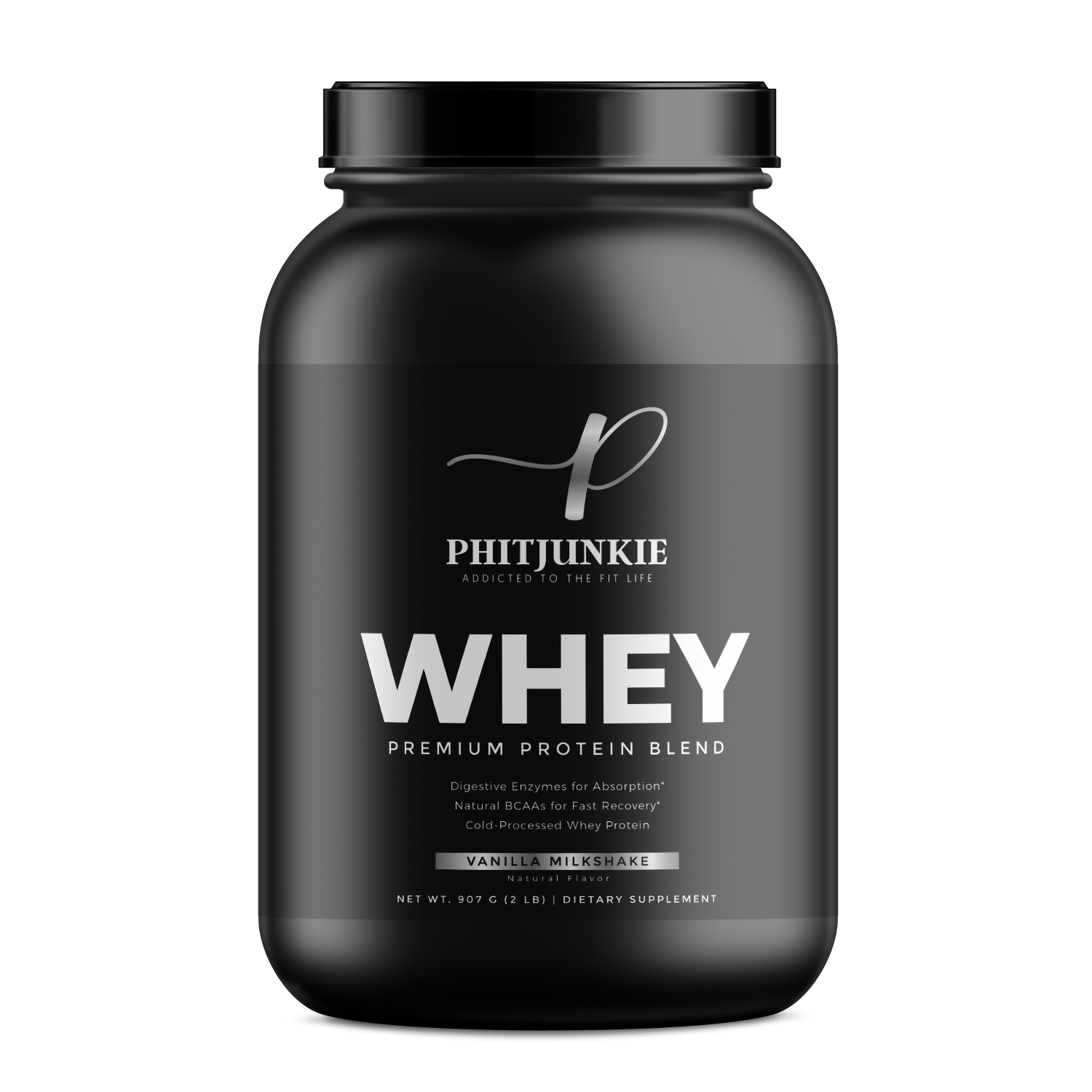
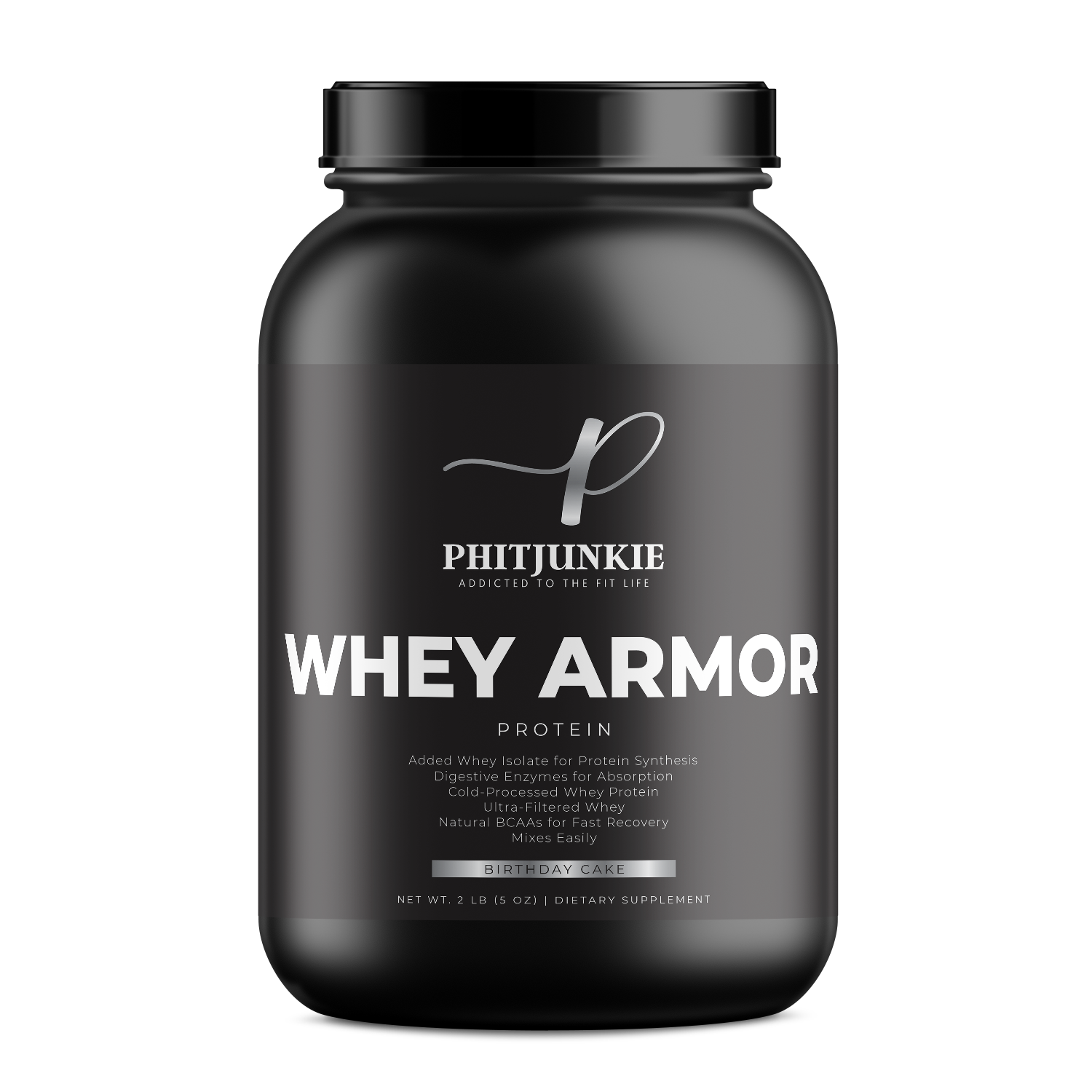
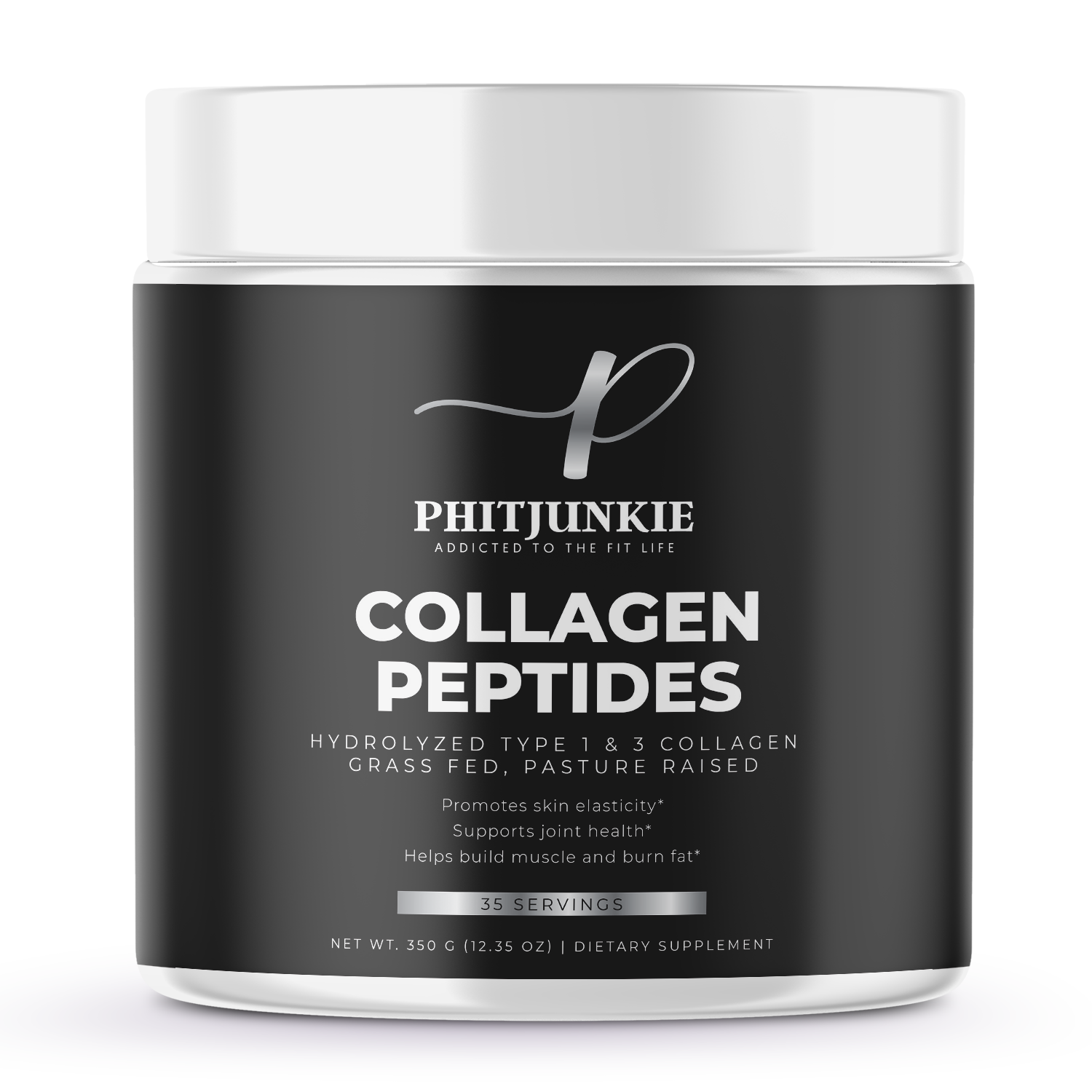
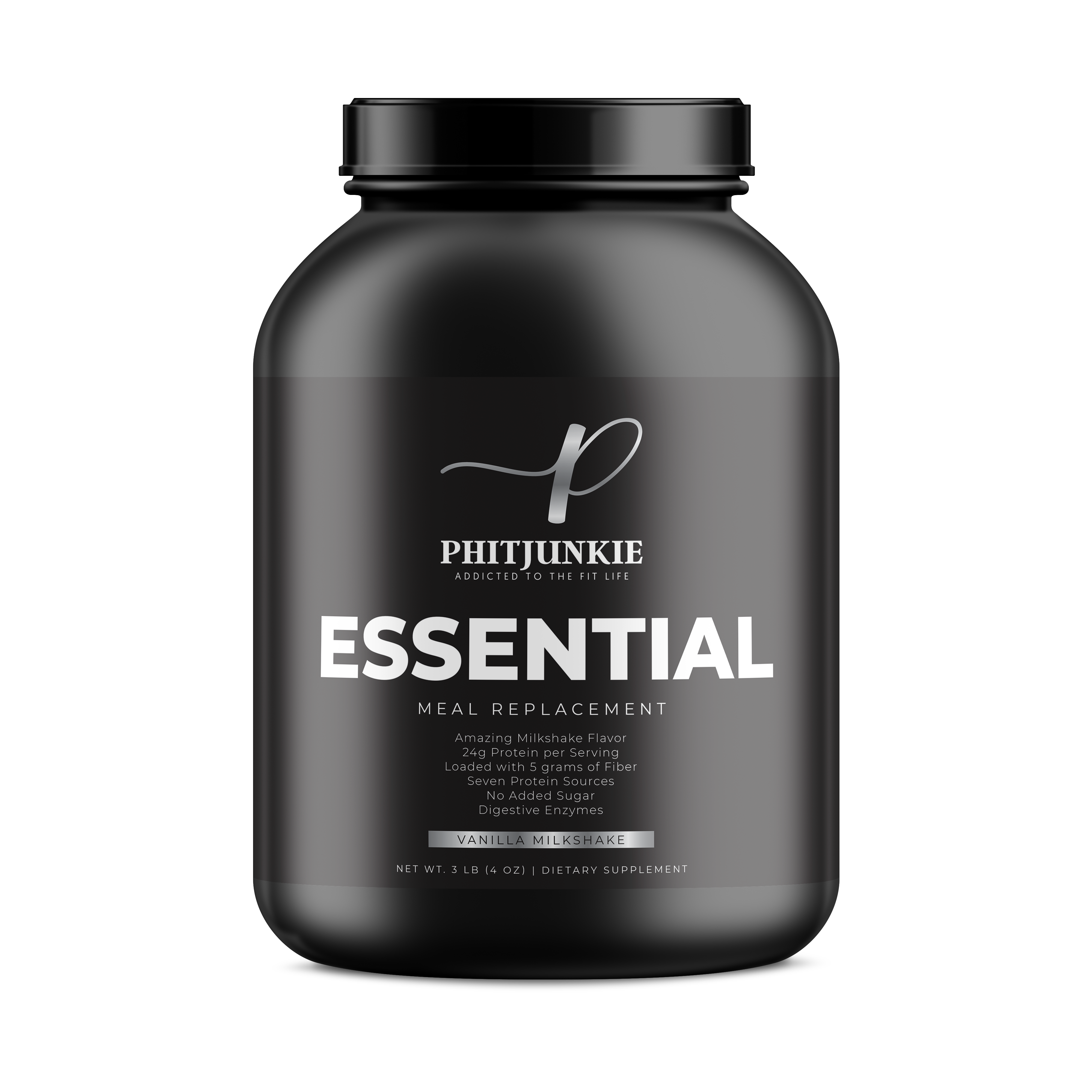
Phitjunkie’s protein range gives active people options for the moments when a shake fits a real routine. Whey Protein Concentrate is positioned for post-workout shakes and daily protein goals. Birthday Cake Whey Protein lists 24 grams of protein per serving, while Collagen Peptides and the full shop serve different routine needs.
Choose a product for the job you actually have, then review its current label, ingredients and directions before buying. Product availability can change, and no product has to be part of your routine just because you train. The best fit is the one that supports a clear food plan, not the one with the loudest claim.
The Bottom Line
Have a protein shake before or after your workout when it helps you eat well across the whole day. Before can work when you want a light, comfortable option ahead of training. After can work when you need a convenient bridge to your next meal. Neither is a magic shortcut. Keep food, training and recovery at the centre, then use a shake as the practical tool it is.
Frequently Asked Questions
Is it better to drink a protein shake before or after a workout?
Either can work. Evidence does not show an important difference in lean-mass changes from taking protein before versus after training. Choose the timing that helps you meet your overall protein needs and suits your comfort.
Do I need a protein shake right after a workout?
No. A shake can be a convenient post-workout option, especially when a meal is not practical, but you do not need to finish one in a narrow 30-minute window. Regular protein intake across the day matters more.
What should I have with a pre-workout protein shake?
If you are eating before a demanding session, carbohydrates such as fruit, oats or toast may be useful alongside protein. Choose an amount and timing that you digest comfortably, and do not use a shake to replace meals you need.
Can I use protein powder on rest days?
Yes. A rest day is still part of your regular eating routine. A protein shake can be useful when it helps you meet a daily food-based plan, but it is optional when meals already cover your needs.
Who should check with a clinician before using protein powder?
Speak with a qualified clinician or registered dietitian if you have kidney disease or another health condition, take medication, are pregnant or breastfeeding, or need individualized nutrition guidance.