
Recovery
Creatine Before or After a Workout? What Matters Most
Take creatine before or after your workout if that makes the habit easy. The evidence does not give most people a reason to turn the clock into the hardest part of their routine.

The Short Answer
You can take creatine before or after a workout. For most people who choose to use it, the better choice is the one that helps them take it regularly. Creatine is not a last-minute spark that has to land at exactly the right minute before a hard set. It works by supporting muscle creatine stores over time, so the useful habit is the one you can keep through busy workdays, changing workout times and rest days.
That may mean adding it to a pre-training drink because you already make one. It may mean putting it into a post-workout shake because that is when you are most likely to remember. It may mean taking it with breakfast because your gym schedule changes every week. All three can be sensible. The decision is less about winning a timing debate and more about removing friction from your routine.
The International Society of Sports Nutrition position stand describes creatine monohydrate as a well-studied option for improving high-intensity exercise capacity and supporting lean mass gains during training. That context matters. Creatine is one small part of a plan built on training, food, sleep and recovery, not the part that replaces them.
Why Consistency Matters More Than the Clock
Your muscles use phosphocreatine during short, demanding efforts, including hard lifting sets and repeated sprints. Supplemental creatine is usually discussed in terms of raising and maintaining those stores. That is a very different job from caffeine, which may be used for a noticeable short-term lift in alertness. You do not need to feel creatine kick in for it to fit a useful routine.
Research on before-versus-after timing is limited and mixed. A 2022 resistance-training trial that directly compared creatine before training, after training and placebo found no clear timing advantage between the two creatine groups after eight weeks. It is a helpful reminder not to overstate a narrow question. The authors' full study is worth reading for anyone who wants the details, but the practical takeaway is simple: consistency deserves more attention than a perfect workout window.
That does not mean details never matter. Product directions, digestive comfort, hydration, training time and the other ingredients in a product can all shape the best choice for you. It means the best routine is usually the simplest honest answer, not a ritual that falls apart whenever your day changes.

When Taking Creatine Before a Workout Makes Sense
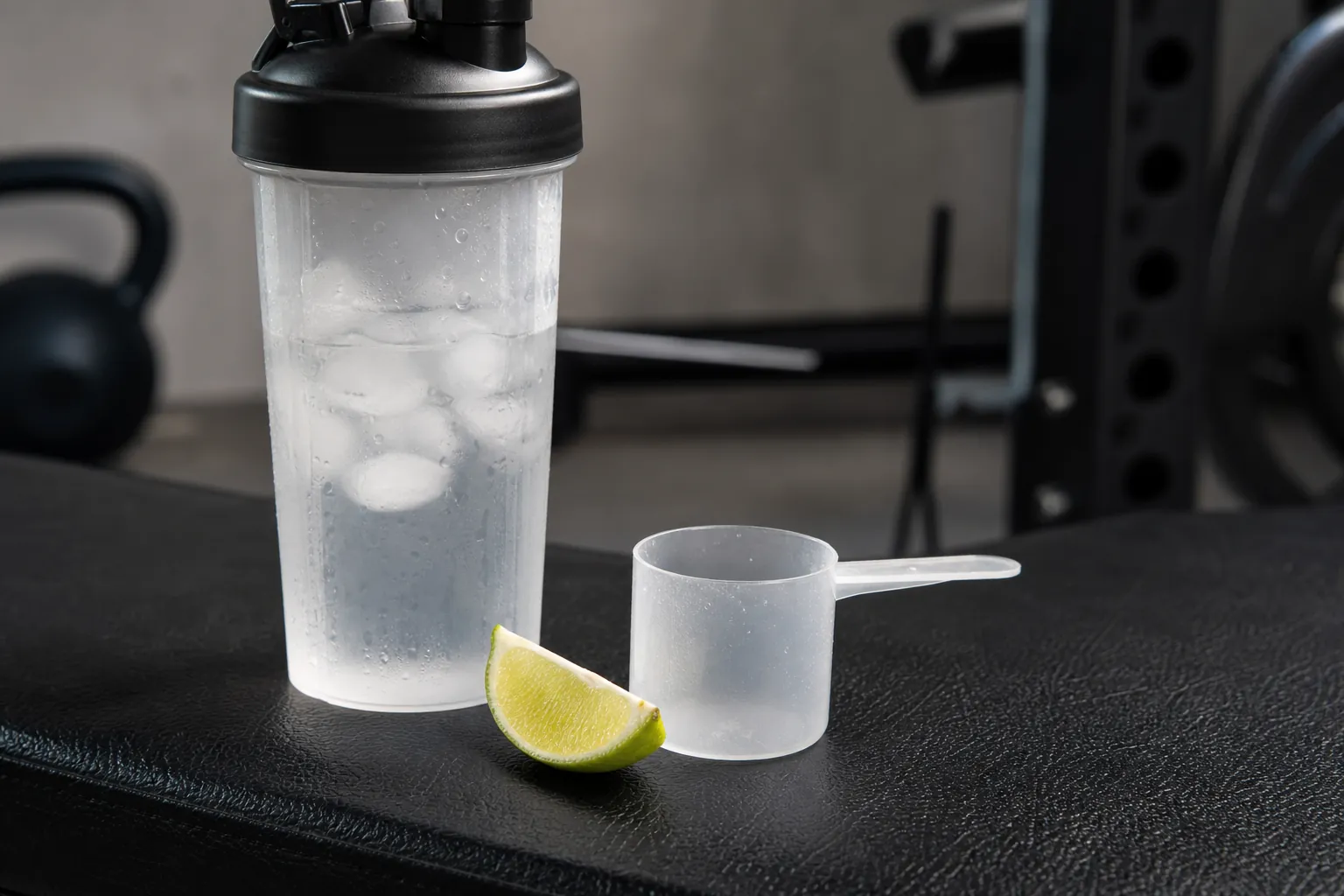
Before training is a good fit when it naturally belongs in what you already do. If you mix a drink before leaving home, pack a shaker in your gym bag or use a predictable warm-up routine, adding creatine there may be the easiest option. There is nothing wrong with taking it before a session as long as you do not expect it to behave like a stimulant.
This timing can also reduce decisions later. Some people leave the gym hungry, rushed or ready to move straight into the rest of the day. Taking creatine before training lets them handle the habit while they have a quiet moment and a clear cue. If that makes you more consistent, it has done its job.
Still, do not force a pre-workout drink if it makes your stomach uncomfortable or causes you to rush. Food and fluids should support your training, not become another source of pressure. A familiar meal or snack, water and a warm-up you can repeat will always matter more than timing a scoop perfectly.
When Taking Creatine After a Workout Makes Sense
After training works well for people who already have a post-workout meal or shake. It can be a practical place to keep everything together, especially if the drink or meal is part of your regular schedule. Convenience is a real advantage here. A habit connected to something you already do is far more likely to survive a busy week than a habit that relies on ideal conditions.
Post-workout timing can also make sense if you prefer to keep your pre-training routine simple. Many people want to arrive ready to train without another drink, another flavor or another task. Saving creatine for later is fine. You have not missed a secret window just because you took it after your last set.
Keep the product itself in view. A plain creatine product has a different role from a full pre-workout formula. If you are comparing options, the formula guide can help you understand the categories before you stack several products around one session.

What About Rest Days?
Rest days are where a simple daily cue earns its keep. If creatine only lives in your gym bag, it is easy to forget when you do not train. If it lives with breakfast, a post-workout shake that you also enjoy on off days, or dinner, the routine stays steady without requiring a new plan.
Choose one everyday anchor. Breakfast is useful for people who keep a regular morning meal. A post-training drink can work when you train consistently. Dinner may suit someone who trains at unpredictable times. The point is not to make every rest day look like a workout day. It is to make the habit easy to repeat.
For a closer look at late-day timing, read the Journal’s guide to taking creatine before bed. Bedtime can be another workable cue for people who prefer it and who do not find that extra fluid or a late drink disrupts their comfort or sleep.
A Clear Routine Beats a Complicated Stack
A crowded supplement routine can make training feel like paperwork. Start with your goal and the basics. Are you training consistently? Are your movements controlled? Are you eating and drinking in a way that supports the work? Are you leaving enough room to recover? Creatine belongs after those questions, not ahead of them.
A practical routine can be very short:
- Follow the product directions. Use the labeled serving guidance instead of borrowing a protocol from a random social post.
- Choose one dependable cue. Before training, after training, breakfast or dinner are all reasonable when they fit your real day.
- Keep rest days uncomplicated. Use the same daily cue even when there is no session on the calendar.
- Track training, not sensations. Better form, stronger sets and repeatable sessions are more useful signals than expecting a dramatic feeling from a supplement.
- Adjust for comfort. If a timing choice does not suit your stomach, hydration or schedule, move it to a better time.
That approach protects you from a common mistake: changing your program, food, sleep and supplements all at once, then trying to guess what helped. Make the routine simple enough to understand. The Journal’s recovery guide covers the habits that make hard training easier to repeat.

Safety and Sensible Expectations
Creatine is not a substitute for medical advice or a reason to ignore how you feel. Check the full label on any product you use. Speak with a qualified clinician before adding creatine if you are pregnant or breastfeeding, have kidney disease or another health condition, take medication, or have questions about your individual care.
It is also worth keeping expectations realistic. Supplements cannot create progress without training that challenges you and recovery that lets you come back to it. They cannot make up for sharp pain, unusual weakness, severe swelling or symptoms that feel wrong. Stop training and seek appropriate care for concerning symptoms rather than trying to supplement your way through them.
If you use a pre-workout, treat caffeine as its own decision. A late stimulant choice can affect the rest of your day differently from plain creatine. The Journal’s caffeine-free pre-workout guide can help when you want a training ritual without making every session another caffeine decision.
Where Phitjunkie Fits
Phitjunkie is built for people who want training, recovery and everyday wellness to work together. The useful approach is not to add products for the sake of it. Start with a routine you can keep, choose clearly labeled products when they fit a real need and keep the basics in charge.
Explore the goals guide to connect your training and recovery habits, then browse the current shop when a product has a clear role in the plan. Product availability and labels can change, so review the current product page before deciding what belongs in your routine.
The Bottom Line
Taking creatine before or after a workout can both work. Do not let the timing question become bigger than the habit. Choose the time that is easiest to repeat, keep it simple on rest days and put most of your energy into the work that drives results: quality training, enough food and fluids, and recovery you can sustain.
Frequently Asked Questions
Is it better to take creatine before or after a workout?
Neither timing is clearly superior for most people. Take creatine at the time that makes regular use easiest, whether that is before training, after training or with a daily meal.
Should I take creatine on rest days?
Yes. Rest days are a useful part of a consistent creatine routine. Keeping the same daily cue can be easier than only remembering it on training days.
Does creatine work like pre-workout?
No. Creatine is not a stimulant and is not meant to create an immediate buzz. It supports muscle creatine stores over regular use, while a pre-workout may contain ingredients chosen for a different purpose.
Can I mix creatine with a protein shake?
For many people, mixing creatine with a protein shake is a convenient way to remember it. Follow the label directions and choose a drink or meal that suits your routine and comfort.
Who should speak with a clinician before using creatine?
Speak with a qualified clinician before using creatine if you are pregnant or breastfeeding, have kidney disease or another health condition, take medication, or need advice specific to your care.
Related posts

Featured and article photos from Unsplash.