
Training Basics
Does Creatine Give You a Pump? What to Expect
Creatine can help muscles look fuller over time and support hard, repeated training. It is not an instant muscle-pump switch, and that distinction makes it much easier to use it sensibly.
The Short Answer
Creatine can make a pump feel or look more noticeable for some people over time, but it does not directly create the immediate pump you get from a set of curls, rows or leg extensions. A workout pump is a temporary change in a worked muscle during or after training. Creatine has a different job. It helps support the energy system used for short, demanding efforts when muscle stores are raised through regular use.
That answer is more useful than either extreme. Creatine is not a magic pre-workout that turns on a pump the moment you drink it. It is also not pointless if your goal includes feeling fuller in the gym. It may contribute to a fuller look through increased water retained in muscle and may help you do repeatable high-intensity work. Those are related to the training experience, but they are not the same thing as an instant rush of blood flow.
The National Institutes of Health exercise and performance supplement guide describes creatine as one of the most studied performance supplements. Its focus is short, intense activity such as weight lifting and sprinting, not a cosmetic effect from a single scoop. That is the right place to start: use creatine for the job it can actually do, and let a pump be an occasional training feeling rather than the only measure of a good session.
What a Muscle Pump Actually Is
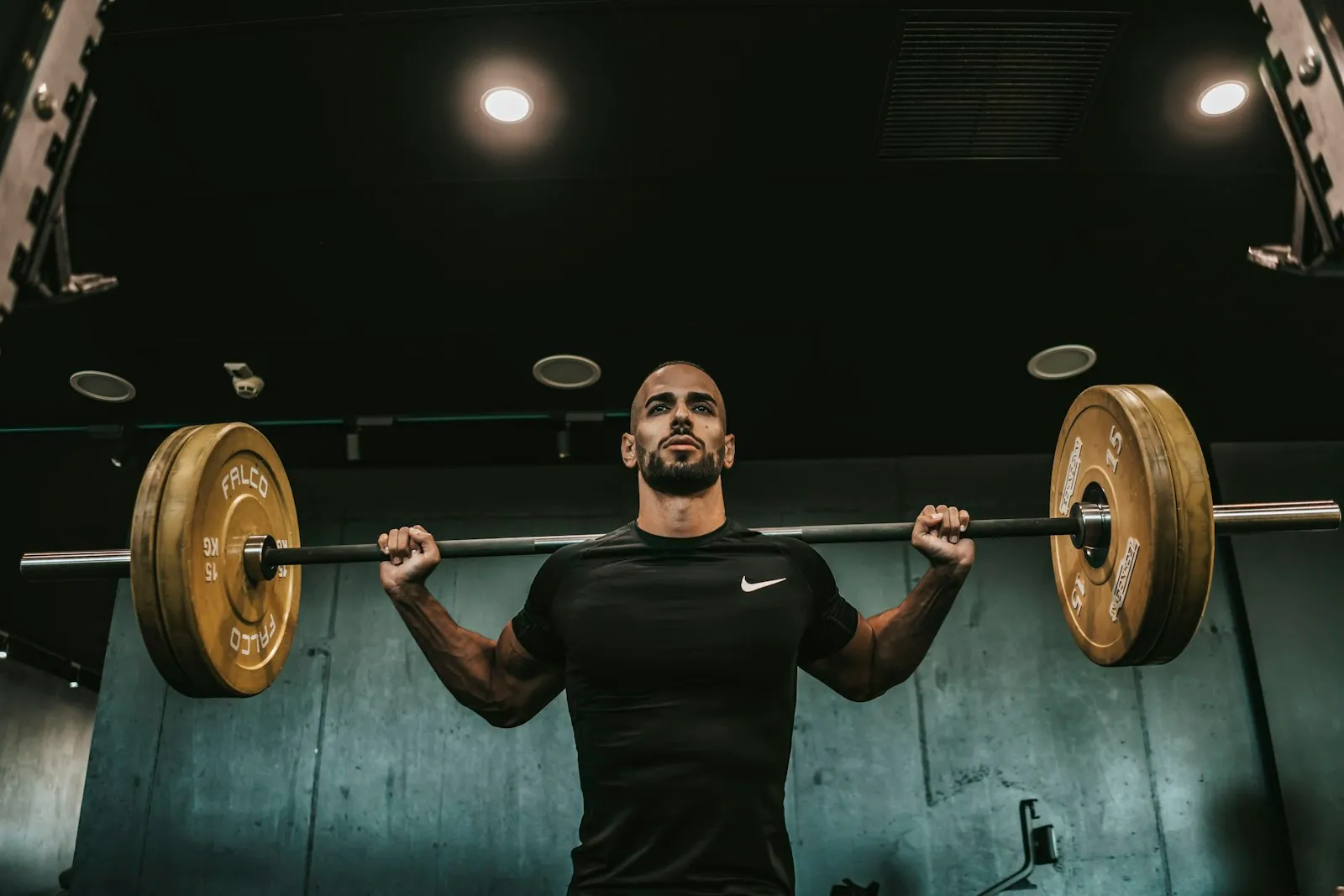
A pump is the temporary fullness and tightness that can show up in a muscle you have trained. Repeated contractions change circulation and fluid movement around the working area, so the muscle can look rounder and feel tighter for a while. Higher-repetition accessory work, shorter rest periods, food, fluids, the exercise itself and individual differences can all change how dramatic it feels.
It is easiest to notice in muscles such as the arms, shoulders, chest and quads. A few controlled sets of curls can create a stronger visual effect than a heavy set of deadlifts, even when both belong in a productive program. That does not make one movement better. It simply means the sensation is a short-term response, not a receipt for long-term progress.
For the fuller physiology behind that feeling, read the Journal's guide to how a muscle pump works. The useful takeaway here is that a pump happens around the session. Creatine works by building up muscle stores across days and weeks. Treating them as the same event makes supplement decisions needlessly confusing.
How Creatine Works in Training
Your muscles use phosphocreatine to help regenerate ATP during very short, hard efforts. That matters when you are lifting, sprinting, jumping or repeating high-effort work with short rests. Supplementing with creatine can raise the amount stored in muscle, which is why it is often discussed around strength, power and repeated high-intensity exercise.
It is not a stimulant. You should not expect a buzz, tingling or a dramatic before-and-after feeling from one serving. The more practical question is whether regular use fits a training plan you can repeat. The NIH notes that results vary among individuals, but studies generally find a benefit for high-intensity, intermittent activity. That is a performance context, not a promise that every workout will feel different.
A recent systematic review and meta-analysis of resistance-training studies found that creatine paired with resistance training increased lean body mass more than training alone in adults under 50. That does not mean each change on a body-composition scan is new contractile tissue overnight. Water and glycogen can influence the picture too. It does mean the best way to judge creatine is across a consistent training block, not by whether one mirror check looked especially impressive.
Why Muscles Can Look Fuller
The most direct reason muscles may look fuller after starting creatine is water retained in muscle. The NIH lists weight gain due to water retention among the common effects of creatine use. That can shift the scale and the way a muscle appears, especially early in a routine. It is not the same as bloating in every person, and it is not proof that a workout created new muscle that day.
This is where the word “pump” gets used loosely. Someone may say they look more pumped after a few weeks of creatine because their muscles look fuller at rest or because they can complete more quality training. That is different from the temporary tight feeling during a workout. Both experiences can be real, but naming the difference protects you from expecting an immediate visual result from a pre-training dose.
Do not treat normal variation as a problem to solve. Food intake, hydration, sleep, the temperature in the gym, recent training and carbohydrates can all change how you look and feel on a given day. The goal is not to force the same mirror moment every workout. It is to build a routine you can train, recover from and assess honestly over time.
Will Taking It Before Training Make the Pump Better?
Taking creatine right before training is convenient for some people, but it is not a special shortcut to an immediate pump. Creatine timing matters far less than taking it consistently enough to build and maintain muscle stores. If a pre-training drink is the habit you remember, that can be a perfectly reasonable time. If breakfast, a post-workout shake or dinner is easier, that can work too.
The Journal's creatine before-or-after workout guide explains the decision in more detail. The short version is simple: do not turn the clock into the hardest part of the routine. Choose a dependable cue, follow the product directions and keep the habit on rest days if that is what the label advises.
Be especially careful with a crowded stack. Some pre-workouts already include creatine, while others do not. Read the Supplement Facts panel instead of assuming every powder has the same role. If you use more than one product, count the listed ingredients and serving directions before combining them. More scoops do not automatically create a better session, and a strong sensation is not a quality test.
What Actually Makes a Pump More Noticeable
If you want to improve the training feeling itself, start with the variables that happen in the session. Choose an exercise you can control, use a range of motion that lets the target muscle do the work, and pay attention to how rest periods and repetitions affect your form. Higher-repetition accessory work can create a pump, but it still needs to be challenging enough and controlled enough to belong in your program.
Food and fluids matter as well. You do not need a complicated ritual, but arriving very under-fuelled, dehydrated or rushed can make training feel flat. The NIH emphasizes a nutritionally adequate diet, enough fluids and appropriate training as the foundation for performance. Supplements may add to that foundation, but they do not replace it.
The Journal's better pump guide focuses on the practical side: exercise setup, training volume, hydration and realistic expectations. Use it to make the session more intentional, not to chase a sensation that forces you to ignore form, recovery or the plan you set out to follow.
Loading, Daily Use and Patience
A loading phase is one way to raise muscle creatine stores faster. The NIH describes a common research approach of 20 grams per day in four portions for five to seven days, followed by a lower daily maintenance amount. A lower daily routine without a loading phase can also raise stores, simply over a longer stretch. Neither approach makes a single workout a reliable test of whether creatine is working.
There is no prize for choosing the most complicated protocol. Loading is optional, and some people prefer a simpler daily cue. The right decision depends on the label, your comfort and whether you can use the product as directed. The Journal's creatine loading phase guide lays out the trade-off between reaching stores sooner and keeping the routine simple.
Give the routine time before you judge it. Track the parts of training that matter across weeks: controlled reps, loads you can handle with good form, the ability to repeat quality sessions and recovery between them. Those signals tell you more than whether your arms looked especially full under the gym lights one afternoon.
When Creatine Is Not the Answer
A flat workout does not always need a new supplement. If you are consistently short on sleep, skipping food before a demanding session, training harder than you can recover from or using exercises that do not suit you, creatine cannot clean up the whole routine. Start with the basics you can see and repeat: a sensible training plan, enough food and fluids, controlled work and recovery.
Also keep normal gym discomfort separate from symptoms that deserve medical attention. Stop training and seek appropriate care for sharp pain, severe swelling, numbness, unusual weakness or symptoms that feel sudden or wrong. Speak with a qualified clinician before using creatine if you are pregnant or breastfeeding, have kidney disease or another health condition, take medication, or need personalized advice.
For competitive athletes, supplement choice has an extra layer. A product label is not the same thing as a guarantee about sport eligibility. Review the rules for your competition and consider independent certification when that is relevant to you. The goal is to make a decision you can explain, not to borrow someone else's stack without understanding it.
Where Phitjunkie Fits
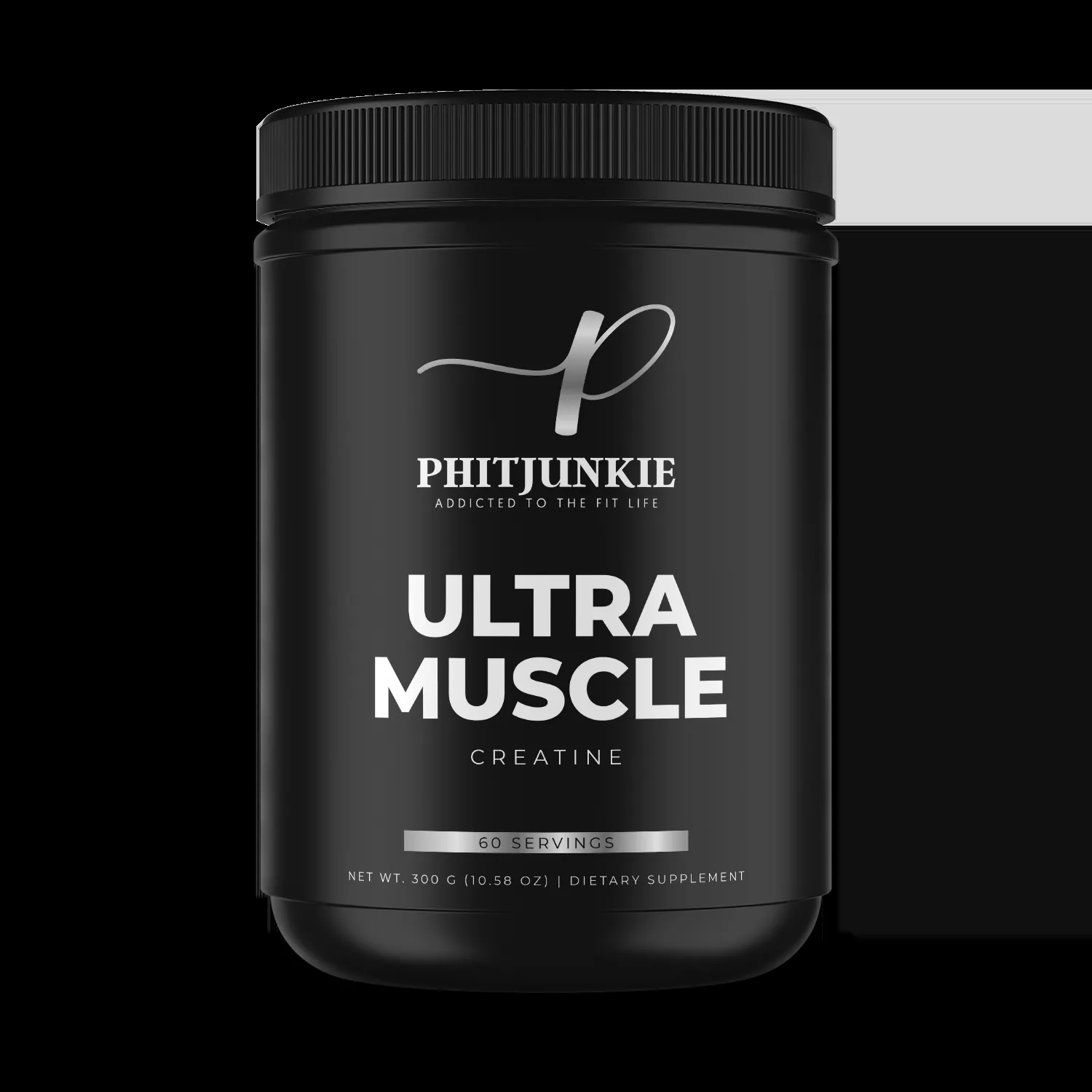
Phitjunkie is built around performance, recovery and daily wellness products that support a fit-life routine. The sensible way to use that range is to start with the role you need a product to play. Creatine belongs in a conversation about regular training and recovery. A pump-focused pre-workout belongs in a separate conversation about session preparation, formula transparency and whether you want caffeine in the mix.
Use the formula guide to understand the current product categories, then compare the pre-workout options when a pre-training formula has a clear place in your routine. Product labels and availability can change, so review the current product page before choosing what to add. The best stack is not the biggest one. It is the one that supports the training you actually do.
The Bottom Line
Creatine can support repeated high-intensity training and can make muscles look fuller over time, partly because of water retained in muscle. It does not directly create the instant pump from a workout or turn one pre-training serving into a shortcut. Keep the expectations simple: train with purpose, eat and drink in a way that supports the session, use creatine consistently if it fits your routine and judge progress across weeks, not one mirror check.
Frequently Asked Questions
Does creatine give you an instant pump?
No. Creatine is not a stimulant or a direct blood-flow ingredient, so one scoop right before training is not expected to create an instant pump. It works through regular use that raises muscle creatine stores over time.
Why do my muscles look fuller after starting creatine?
Creatine commonly increases water retention in muscle, which can increase body weight and make muscles look fuller. That is different from the temporary pump created during a workout.
Can I take creatine with pre-workout?
Some people use both, but read every label first so you know what you are combining. Creatine and a pre-workout have different jobs, and a multi-ingredient formula may already include creatine.
Do I need a loading phase to get a pump from creatine?
No. A loading phase can raise muscle creatine stores faster, but it is optional. A smaller daily routine can also raise stores over several weeks. Follow the directions on your product and choose a routine you can keep.
Who should ask a clinician before taking creatine?
Speak with a qualified clinician before using creatine if you are pregnant or breastfeeding, have kidney disease or another health condition, take medication, or need advice specific to your care.