Pre-Workout Basics
What Is a Pump in the Gym? A Straight Answer
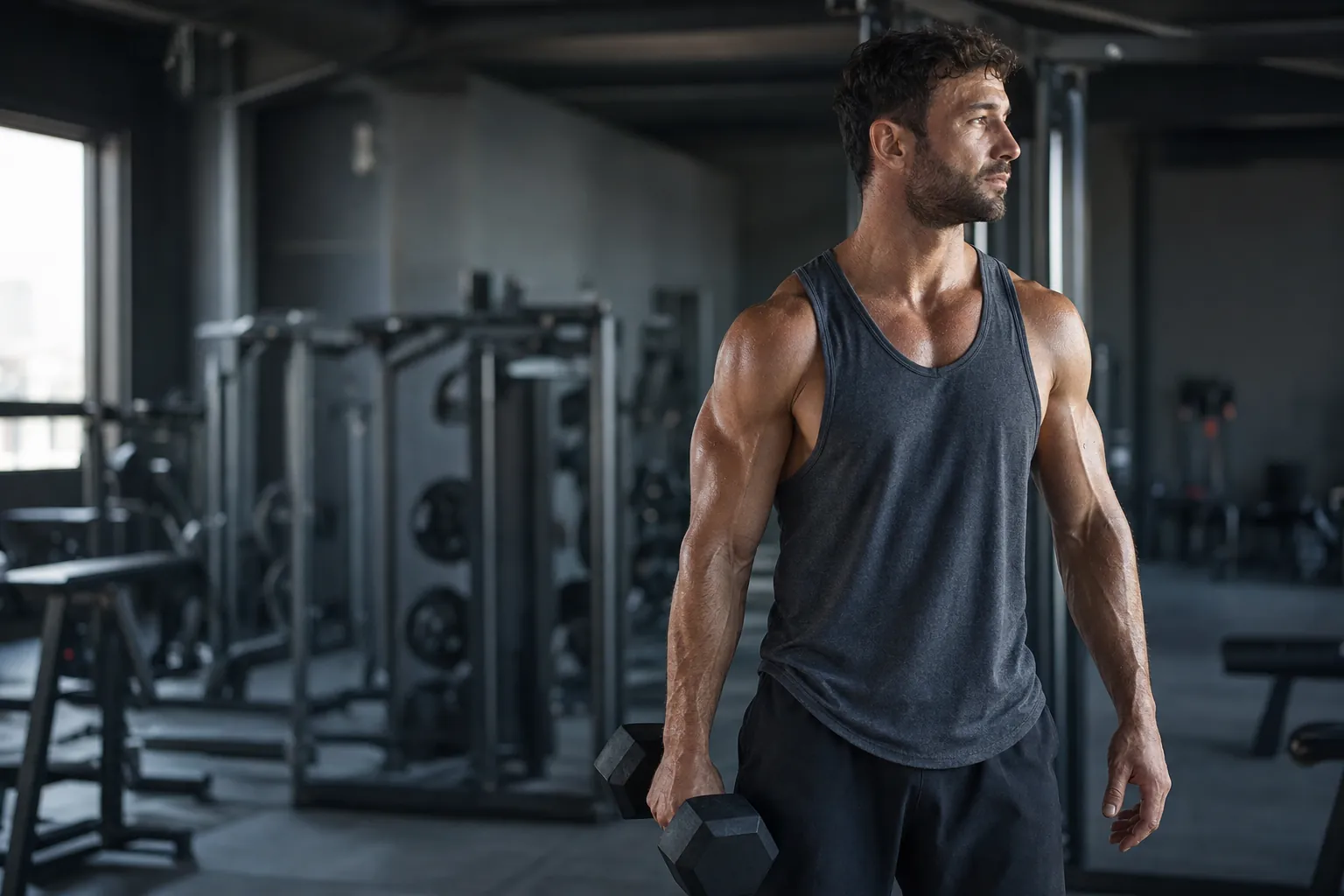
A gym pump is the temporary fuller, tighter feeling you may notice in a muscle during a hard set or shortly after. It can be satisfying, but it is not a report card on your progress.
The Short Answer
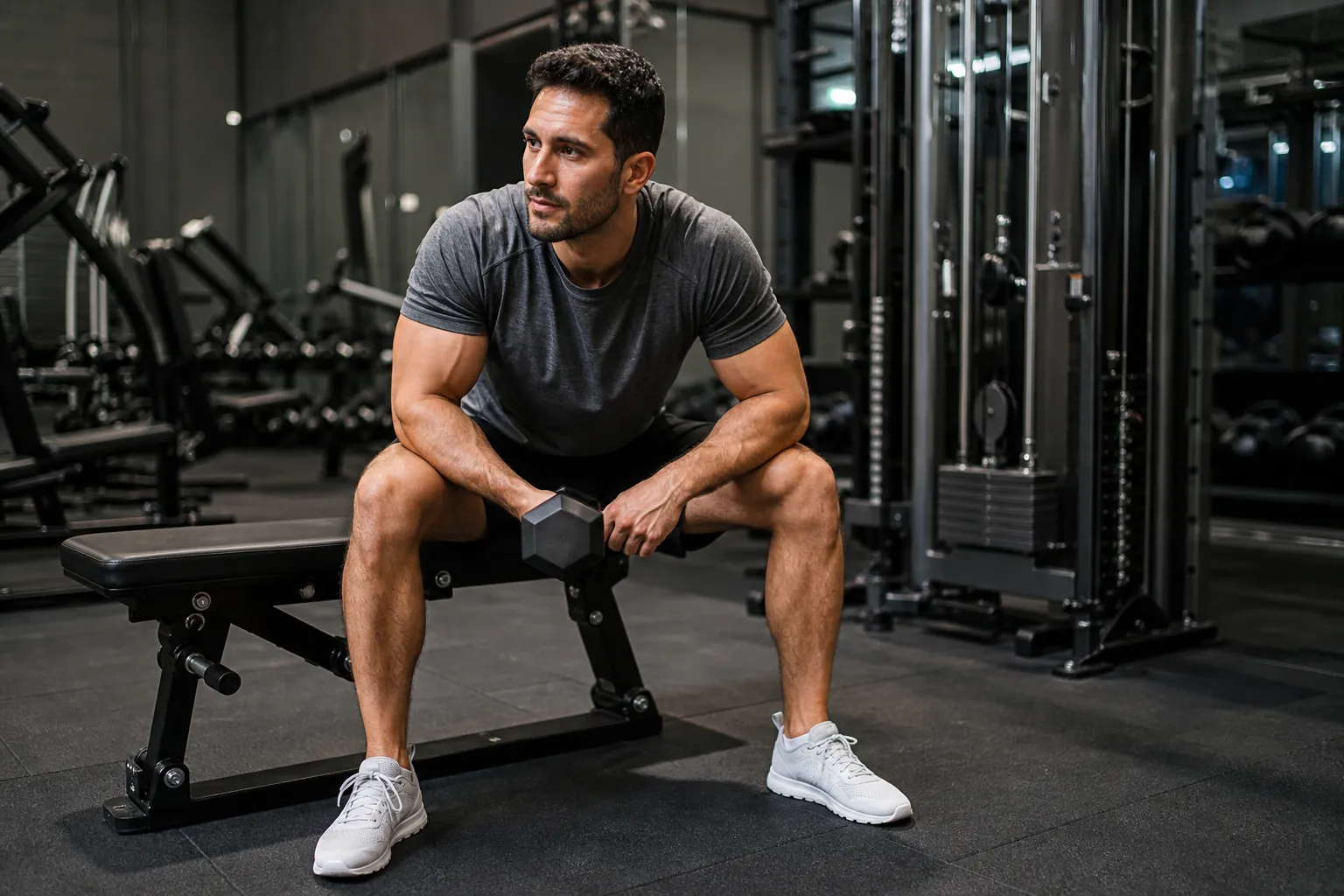
In gym language, a pump is the temporary feeling that a worked muscle is fuller, firmer or tighter than usual. You might notice it in your arms after curls, your shoulders after pressing, or your quads after a leg session. It often shows up most clearly during higher-repetition resistance work, when you are keeping tension on the same area across several sets.
It is a normal short-term response to training. Working muscles need more oxygen and fuel, so circulation changes during exercise. Repeated contractions also change the local environment in and around the muscle. The visible result can be a fuller look that fades after the session. Research has observed acute muscle swelling after resistance exercise, but that short-lived swelling is not the same thing as the long-term muscle growth built through weeks and months of training.
That distinction is worth keeping. A pump can make a workout feel great. It can help you notice whether you are using the muscle you intended to train. It cannot tell you, by itself, whether your program is working, whether you need a new supplement, or whether you built muscle in a single afternoon.
Why It Feels So Noticeable
Resistance exercise asks a lot from the muscle doing the work. During a set, blood flow and fluid movement change as your body supports the repeated contractions. That is why a trained area may feel tight or look more defined in the mirror between sets. Muscles closer to the surface, including biceps, shoulders, chest, calves and quads, can make the change especially easy to see.
The feeling varies. You may get a dramatic pump after a few focused accessory exercises and a modest one after a heavy strength day. That does not automatically make one session better than the other. A low-rep deadlift session can be productive even if your arms do not look different afterward. A high-rep cable session can create a big pump even when it is only one small part of a sensible training week.
If you want the deeper explanation of what happens after you leave the gym, read Phitjunkie’s guide on how long a muscle pump lasts after a workout. The practical point is simple: enjoy the immediate feedback, then judge the work by what you can repeat and progress over time.

What Usually Creates a Bigger Pump?
A pump is not a button you push. It is more likely when the training setup keeps a muscle working long enough for you to notice the effect. Moderate-to-higher repetition sets, controlled form and a few exercises that target the same area can all contribute. The more stable the movement, the easier it is to put tension where you want it instead of letting momentum do the work.
Exercise selection matters. An exercise that lets you focus on one muscle can make the feeling easier to notice. Cable curls, leg extensions, dumbbell lateral raises and machine presses are common examples because they can keep tension on a specific area through a controlled range of motion. That does not make them universally better than big compound lifts. They simply have a different job in a program.
Reps and rest periods matter too. A small number of very heavy repetitions with long rests can be useful for strength, while a moderate load for more repetitions may create more local fatigue and a stronger pump. Neither style needs to win every workout. Give the day a purpose, then choose sets and rests that support it.
Technique keeps the signal honest. Slowing down enough to control the weight, using a range of motion that fits your body and avoiding rushed cheat reps helps you feel which muscle is working. Chasing a burn by throwing the weight around is a fast way to turn an accessory set into noise. The better pump training guide has a practical way to use focused work without letting it take over the whole session.
There is no need to turn every workout into a pump contest. A simple strength day might place your main lifts first, then finish with two or three controlled accessory sets. A higher-volume day may use a little more focused work. The right choice is the one you can recover from and repeat.
A Pump Is Not the Same as Muscle Growth
This is where gym talk can get confusing. Muscles may look bigger for a short time after training, but lasting muscle growth is a longer adaptation. It comes from repeated training that creates an appropriate challenge, enough food to support your goals and recovery that lets you train well again. A temporary mirror change cannot replace that process.
A useful research review on the mechanisms involved in muscle hypertrophy makes the point indirectly: training adaptation is more complex than one sensation, hormone spike or workout. Your best evidence is what happens across a block of training. Are you adding repetitions with good form? Can you gradually use more load where it makes sense? Are you recovering well enough to keep your routine going?
A training log is far more useful than the mirror for answering those questions. Write down the exercise, load, repetitions and a brief note about the set. You do not need to document every second of the session. A simple record lets you see patterns that a one-hour pump cannot reveal.

How to Use the Feeling Without Chasing It
The pump can still be useful feedback. If you are doing an accessory exercise and feel nothing but your joints or lower back, that may be a reason to slow down, reduce the load, adjust your setup or choose a more stable variation. If you feel the intended muscle working with control, that can be a sign the exercise is doing its job for that moment.
Keep the bigger goal in charge. Ask whether the workout matched the plan, whether your form held up and whether the volume fits the rest of your week. A person training for a first pull-up, a powerlifting meet, general health or bodybuilding will organize sessions differently. The pump belongs inside that plan, not above it.
Do not use it as a reason to add endless sets. More work is not automatically more productive. A few well-run sets may be enough after your main work. Repeatedly extending the session only to keep the feeling going can make recovery harder without adding much value. The Journal’s recovery guide covers the routine basics that make consistent training easier to sustain.

Food and Fluids Set the Stage
Arriving under-fueled or dehydrated can make a session feel flat. That does not mean you need a complicated pre-workout ritual. It means the basics deserve attention before you make the pump a problem to solve. Eat in a way that suits your schedule and digestion, bring water and give yourself enough time to warm up instead of rushing from the door to the first hard set.
Hydration needs are personal. The American College of Sports Medicine position stand on fluid replacement emphasizes that needs vary with the person, environment and activity. For an ordinary gym workout, a water bottle and sensible attention to thirst are often more useful than trying to force a dramatic change right before training. Longer, hotter or sweatier sessions may call for a more deliberate plan.
Food follows the same logic. A meal or snack before training can help you arrive with energy, but the best choice is the one that agrees with you and fits the time you have. A banana, oats, toast, yogurt or a normal meal can all be practical options depending on the person. The goal is not a perfect menu. It is a repeatable routine that helps you train instead of distracting from the session.
Where Pre-Workout Fits
Pre-workout is optional. You do not need a product to have a productive workout or to feel a pump. If you choose one, it should support a routine you already understand rather than become the only reason the session feels possible. The National Institutes of Health overview of exercise and athletic performance supplements is a useful reminder that products and evidence vary, and that a label deserves more attention than a loud front-of-tub promise.
Start with the job you need it to do. You may want a stimulant-free option for an evening lift, a formula you can compare clearly by its listed ingredients, or simply a consistent before-training cue. Phitjunkie’s pump pre-workout guide explains how to read that choice in the context of your training time, label and broader routine. The caffeine-free pre-workout guide is a useful next step when you want to avoid adding more caffeine to the day.
For people who want to compare the current range, Phitjunkie’s pre-workout page brings the available options together. Read the listed ingredients, check availability and choose the formula that fits your actual session. A product can complement sound training. It cannot replace it.
When a Pump Is Not Normal
Temporary fullness during training is one thing. Sharp pain, numbness, unusual swelling, severe tightness or symptoms that do not settle are different. Stop the activity and seek appropriate medical advice, especially after an injury or when a symptom is severe, sudden or persistent. Do not use familiar gym language to explain away something that feels wrong.
The Bottom Line
A pump in the gym is a temporary training response that can make a worked muscle feel fuller and tighter. It can be enjoyable and occasionally useful as one piece of feedback, but it is not the measure of a successful workout. Put controlled training, food, fluids, recovery and steady progress first. Then let the pump be what it is: a short-lived part of a session, not the whole point of it.
Frequently Asked Questions
What is a pump in the gym?
A gym pump is the temporary fuller, tighter feeling you may notice in a muscle while lifting or soon after. It is a short-term response to the session, not new muscle appearing in real time.
Does a pump mean you had a good workout?
Not on its own. A pump can be enjoyable feedback during resistance training, but a productive workout is better judged by controlled reps, appropriate effort, steady progress and recovery across many sessions.
How can I get more of a pump?
Controlled resistance work, enough challenging repetitions, practical rest periods, food and fluids that fit your schedule can all influence how noticeable a pump feels. Avoid turning the feeling into the only goal of the workout.
Do I need pre-workout to get a pump?
No. A supplement is optional. Your training, food, hydration and recovery create the base of the session. If you use pre-workout, choose it for a clear reason, read the label and make sure it fits your routine.